

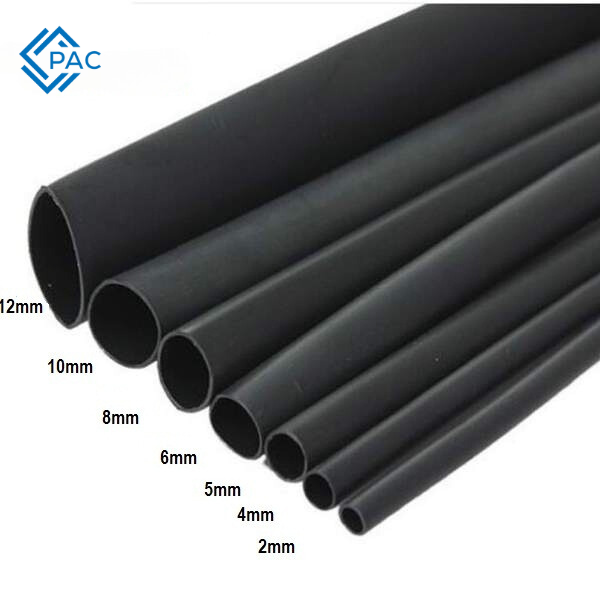
Welcome back to Punjab Auto Corporation’s blog, your go-to source for insights into the world of automotive essentials. Today, we’re diving into the heart of wire harness manufacturing and shedding light on a crucial component – heat sleeves. As vehicles become more advanced, the demand for robust and reliable wiring solutions is higher than ever. Join us as we explore the indispensable role of heat sleeves in the automotive wire harness manufacturing industry.
Understanding Heat Sleeves: Heat sleeves, also known as heat shrink tubing, play a pivotal role in protecting and insulating wires within a vehicle’s intricate wiring system. These sleeves are typically made of polyolefin or another polymer material that, when heated, shrinks to conform to the shape and size of the wire bundle, providing a secure and protective covering.
Key Benefits of Heat Sleeves in Wire Harness Manufacturing:
Insulation and Protection: Heat sleeves act as a barrier against various environmental factors, including moisture, chemicals, and abrasion. This insulation is crucial in maintaining the integrity of the wires, especially in the challenging conditions that automotive components often face.
Temperature Resistance: Automobiles operate in a wide range of temperatures, from scorching heat to freezing cold. Heat sleeves offer excellent temperature resistance, ensuring that the wires remain unaffected by extreme weather conditions and under-the-hood heat.
Preventing Short Circuits: The tightly sealed covering provided by heat sleeves reduces the risk of short circuits caused by contact with other wires or metal components. This is particularly important in complex wire harnesses where numerous wires are routed in close proximity.
Enhancing Mechanical Strength: By adding an extra layer of protection, heat sleeves contribute to the overall mechanical strength of the wire harness. This is crucial in applications where the harness may be subject to vibrations, flexing, or physical stress.
Identification and Organization: Heat sleeves often come in various colors, allowing for color-coding of wires for easy identification during installation, maintenance, or repair. This aids technicians in quickly understanding the wiring layout, reducing the likelihood of errors.
Best Practices for Using Heat Sleeves in Wire Harness Manufacturing:
Proper Sizing: Ensure that the heat sleeves are appropriately sized for the wire bundle. A snug fit is essential for optimal protection.
Correct Installation: Apply heat evenly across the sleeve using a heat gun to achieve a uniform and secure seal. Be cautious not to overheat, which can lead to damage.
Strategic Placement: Identify critical areas in the wire harness where additional protection is needed, such as near engine components or in areas prone to abrasion.
Conclusion: In the intricate dance of wires that powers our vehicles, heat sleeves emerge as unsung heroes, silently ensuring the reliability and longevity of the wiring system. At Punjab Auto Corporation, we recognize the importance of every component in the automotive landscape. By understanding the role of heat sleeves in wire harness manufacturing, you gain a deeper appreciation for the meticulous engineering that goes into creating robust and dependable vehicles. Stay tuned for more insights into the technologies that drive our automotive world!